
-
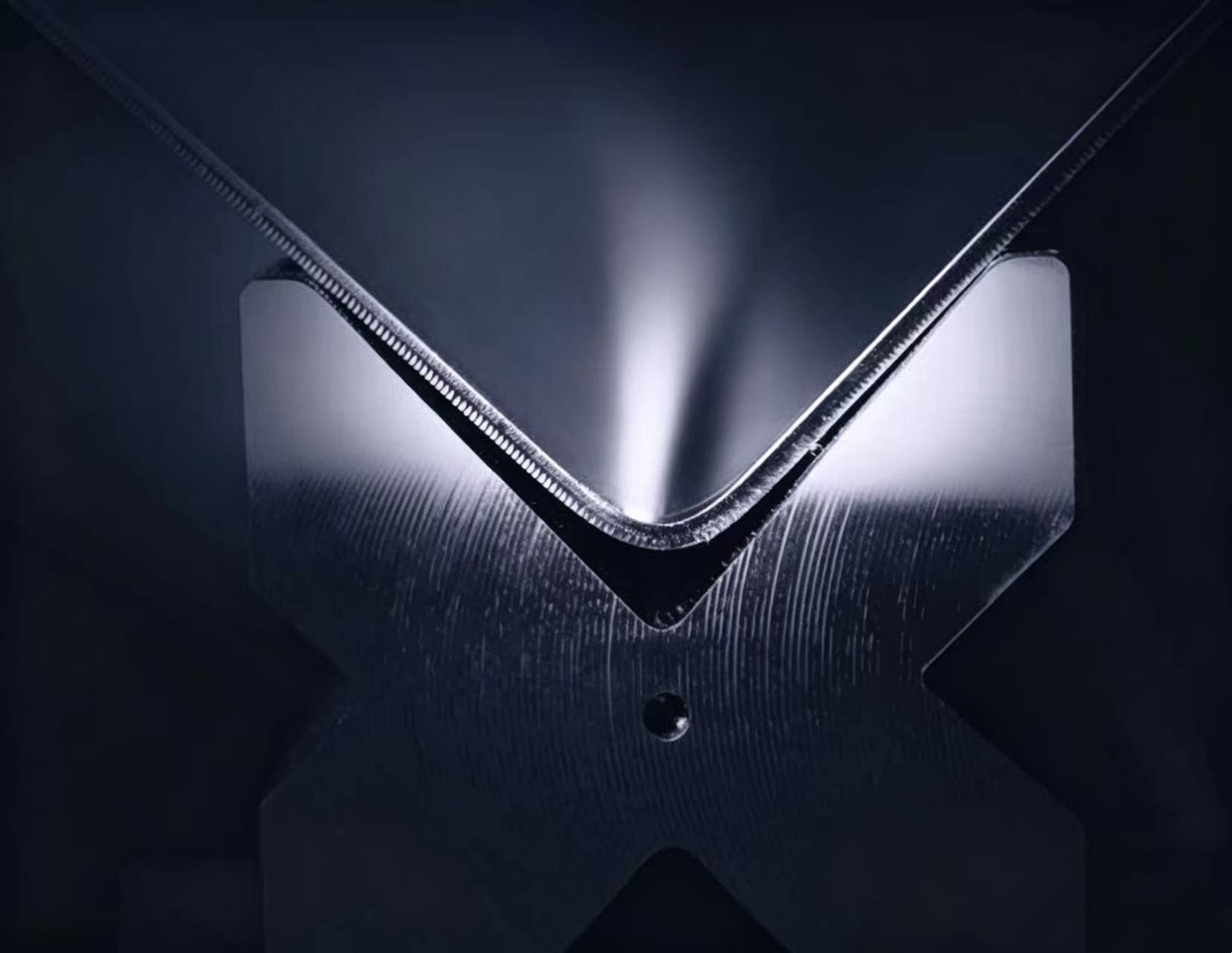
PRESS BRAKE EXPLAIN
Read morePRESS BRAKE EXPLAIN
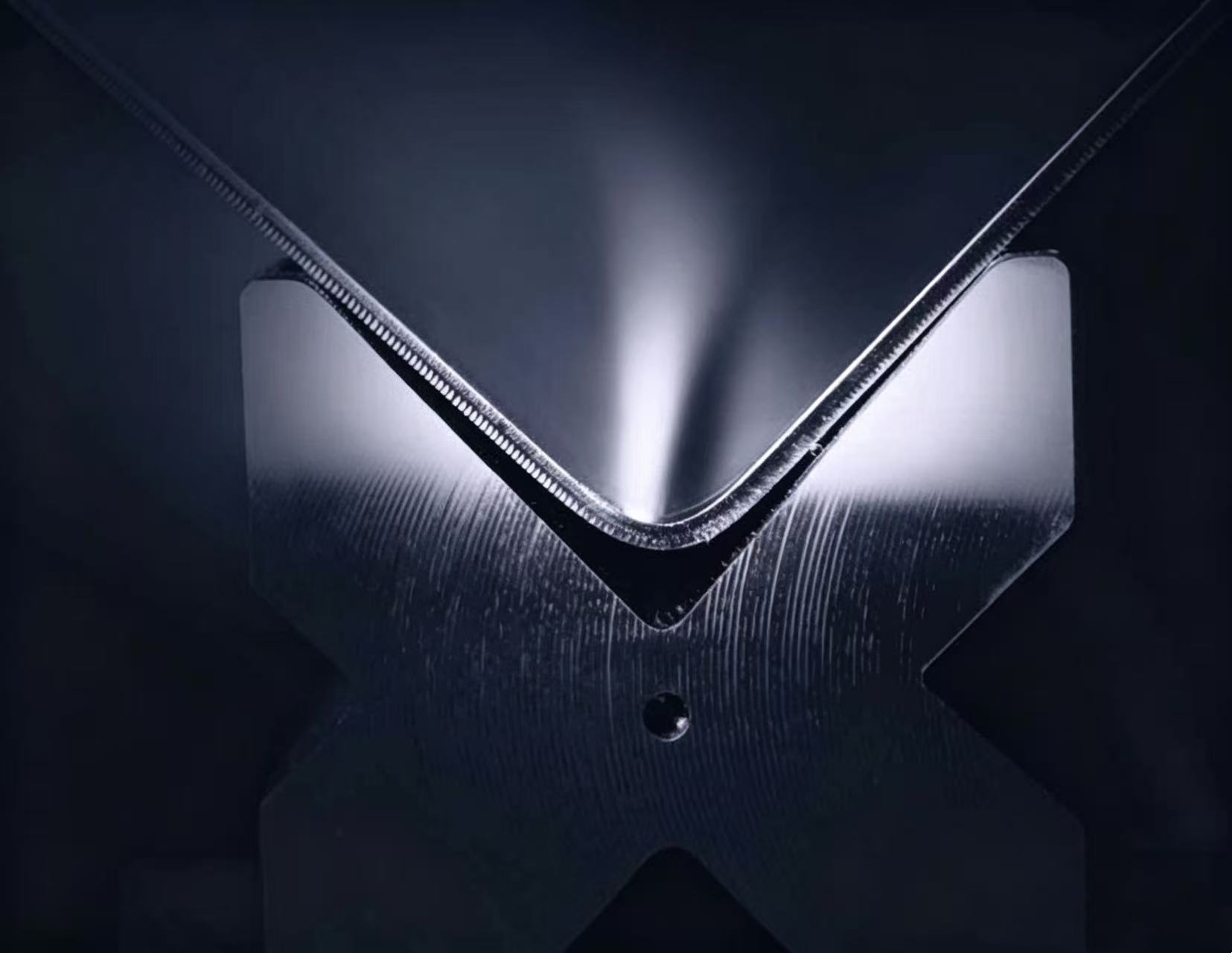
Press brakes are a vital machine tool for almost any fabrication shop. These machines can bend simple and complex components. They are essential for parts manufacturing in various industries, from automotive and aircraft to housing and cabinets. Successful use of a press brake requires a comprehensive understanding of how the machine works and your role in operating it.
What Is a Press Brake, and What Does It Do?
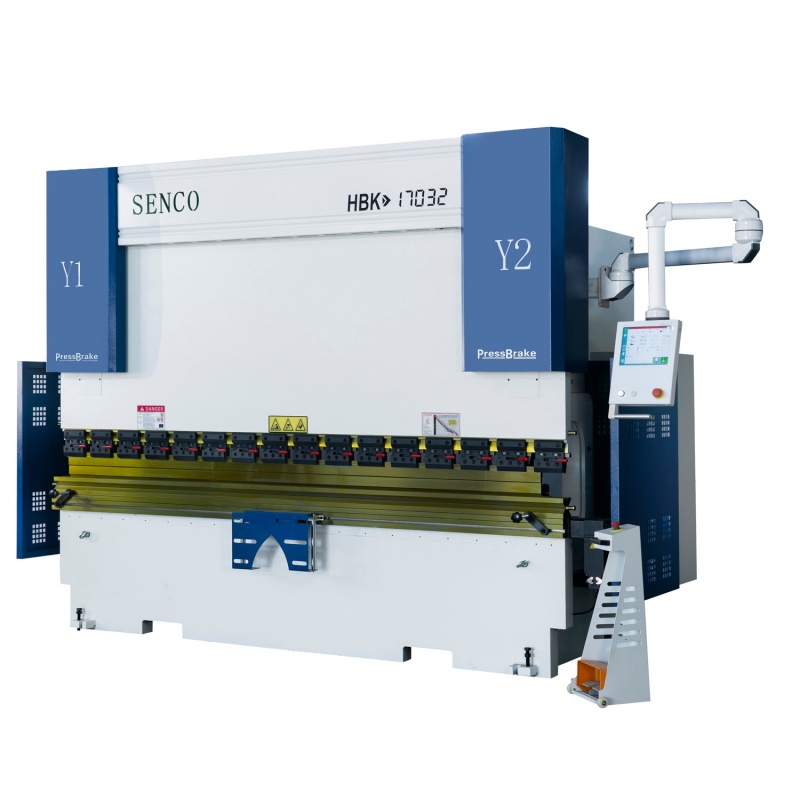
Compared to designs from decades ago, today’s modern press brakes are highly efficient machines with some of the industry’s most advanced technology. Press brakes use punches and dies with specific forms to bend different types of metal into various shapes. They function by pressing the punch into the pre-positioned workpiece on the die.
Using different punches and dies offers the versatility of creating various shapes, giving the manufacturer greater control and maximum fabrication efficiency.
The basic operating principle of a press brake relies on tons of force accurately controlled. Different jobs require press brakes with different tonnages and bending lengths depending on the application, along with the size and type of material to be bent.
Choosing the Best Press Brake for Your Application
The most important factors when investing in a press brake are the bending length and tonnage. Knowing your application and using proper planning will help you make the right decision.
- Tonnage: The press brake’s bending force — or tonnage — determines how much pressure can be applied by the punch during a bend. Higher tonnage allows for the bending of thicker and harder metals. Lower tonnage is most appropriate for thinner metals.
- Bending length: The bending length of a press brake is the maximum possible length of a metal sheet that can be bent. A smaller 4-foot bending length press brake won’t allow you to bend a 6-foot piece of sheet metal. The metal would be too long. You want to get a press brake with a bending length slightly larger than the length of the sheets you will be bending. Be mindful that there are 2 length factors with most press brakes, the overall bed length and the bed length between.
One of the most common types of press brakes is hydraulic. Hydraulic brakes can reduce job setup time and increase efficiency when paired with CNC controls. CNC hydraulic press brakes can come in various tonnages and sizes. The tonnage and bending length required when purchasing a press brake are determined by application and what thickness and size of the metal you are bending.
Other design types include mechanical and pneumatic press brakes, with the trigger mechanisms as the most noticeable difference.
Why Tonnage and Length Are Important
Tonnage and length are crucial because a press brake has a concentrated load limit in the center of the press calculated in tons per inch. Using the incorrect tonnage may damage the press ram, the die or the working part and, in the worst cases, even ruin the machine. Additionally, some tooling types have specific tonnage limits, including straight punches, particularly when paired with V-shaped dies.
Figuring out the press brake’s load limit can be done with some fairly basic math. You multiply the number of inches between the side columns by .6 and divide the result by the tonnage.
If you had 10.6 feet between the columns on a 350-ton press brake, for example. You would take the number of inches — 10.6 x 12 = 127.2 inches — and multiply that number by .6, which is 76.32. From there, divide that number by the tonnage — 350/76.32 = 4.58. In that case, the press brake’s load limit would be 4.58 tons per inch.
If you need to bend a 5-foot sheet on that press, you should use a press power of 275 because 60 inches x 4.58 tons per inch = 275.
This scenario changes for different types of machines and different types of metal. There are also other equations to use for determining press power.
These kinds of calculations are typically available in a chart on the machine or in the operations manual. However, a press brake operator should be aware of the material they are bending and calculate the proper press power. This will avoid using too little or too much force and prevent damage to the machine.
How SENCO Machine Tools Can Help
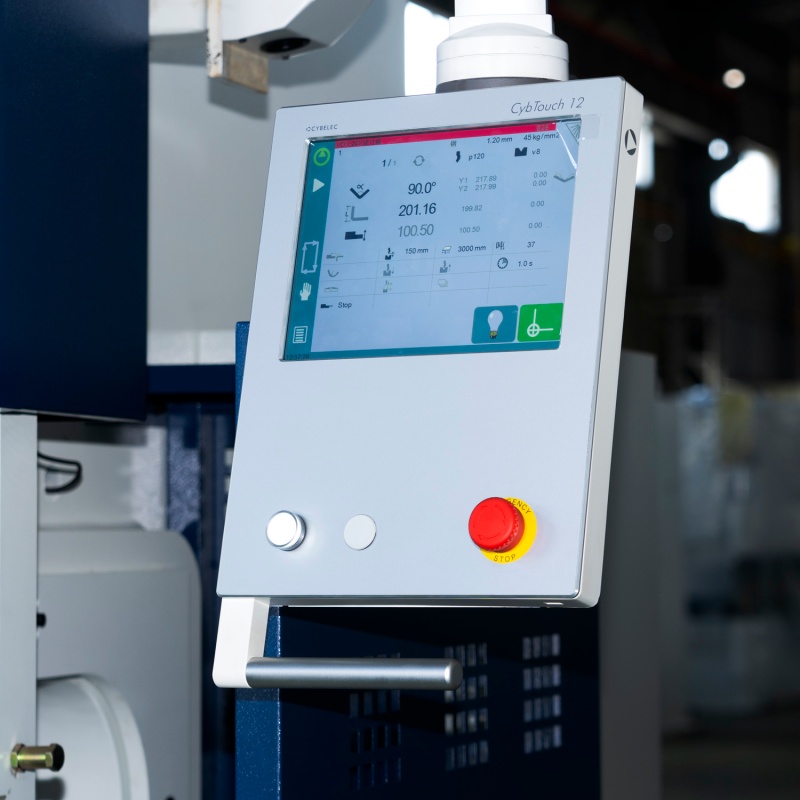
At SENCO Machine Tools, we have an extensive inventory of press brakes to cover all your bending needs. We sell press brakes ranging from 3 to 20 feet long with press power from 44 to 440 tons. SENCO’s HBK 1000/40 CNC hydraulic press brake, a 3-foot, 44-ton model, is perfect for smaller applications. Our 20-foot, 440-ton HBK 6100/400 CNC model works well for larger bending applications. Our press brake packages include an automatic backgauge and a DELEM CNC Controller.
-
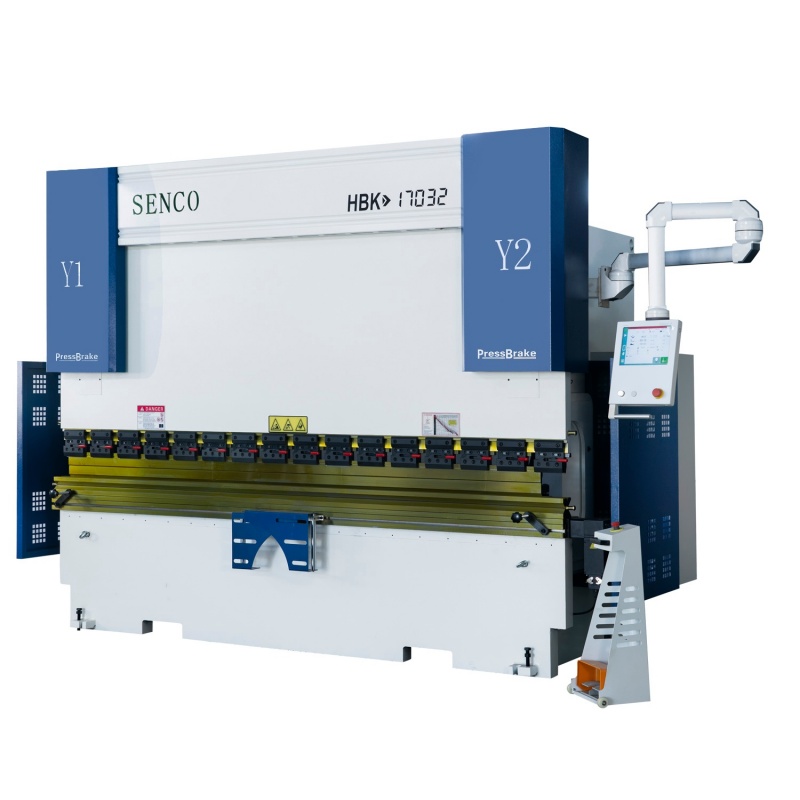
Precautions for Using Bending Machine
Read morePrecautions for Using SENCO Bending Machine
Ⅰ. Precautions before startup1.Check hydraulic oil level, oil leakage, electrical wires and buttons.
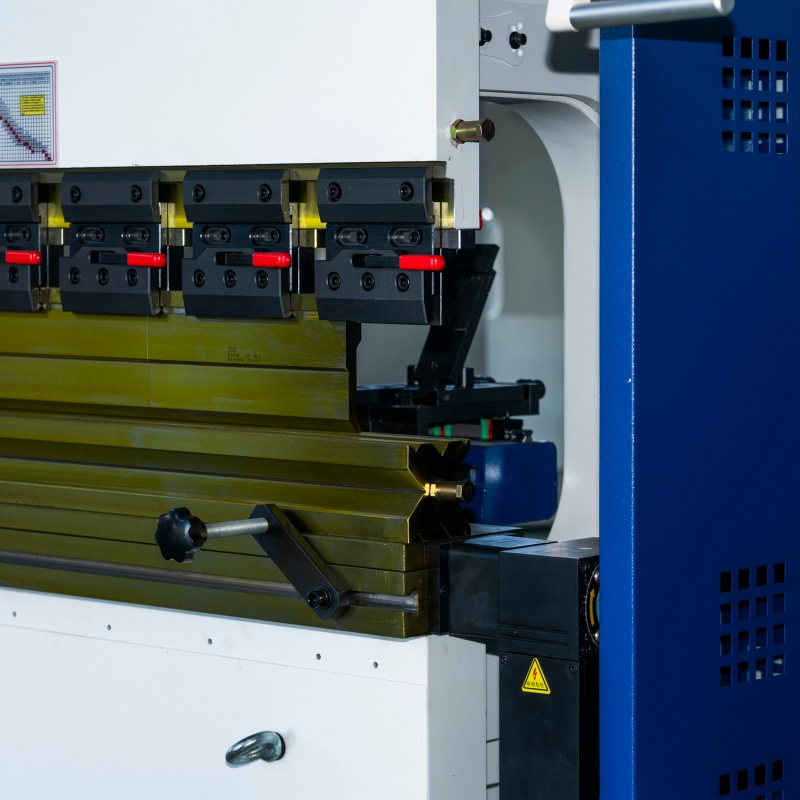
2. Inspect upper and lower dies for cracks and looseness; fasten all die bolts tightly.
3.Remove scraps and sundries from worktable; no tools allowed on the table.
4. Operators must wear protective equipment; do not wear gloves when working near the sliding beam.
Ⅱ.Precautions during commissioning and idle test
1. Test the machine by manual jog mode first; do not start automatic mode directly.
2. Power off the machine when adjusting back gauge and die position.
3. Run the first workpiece at low speed; special person measures bending angle and dimensions.
4. Two operators must coordinate commands clearly: one operates machine, one holds sheet; no simultaneous button operation.
Ⅲ. Precautions during bending production
1. Never put hands into the dangerous area between sliding beam and worktable.
2. Use auxiliary fixtures for heavy sheets; do not lift sheets manually by force.
3. Press emergency stop immediately if abnormal noise or vibration occurs.
4. Do not bend sheets exceeding the rated pressure and thickness of the machine.
5. Lock and tag the machine before program modification or die replacement.
Ⅳ.Precautions after work
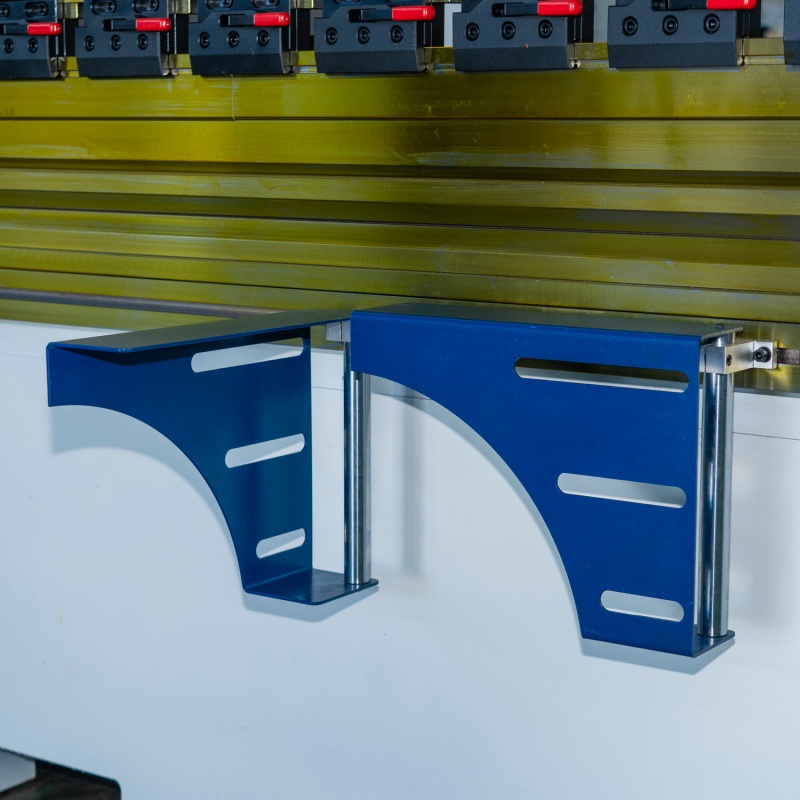
1. Lower the sliding beam to the lowest position; turn off oil pump and main power supply.
2. Clean oil stains and scraps on worktable and guide rails.
3. Fill in machine operation records and report faults timely.
4. Close distribution box door and tidy up the working area.
-
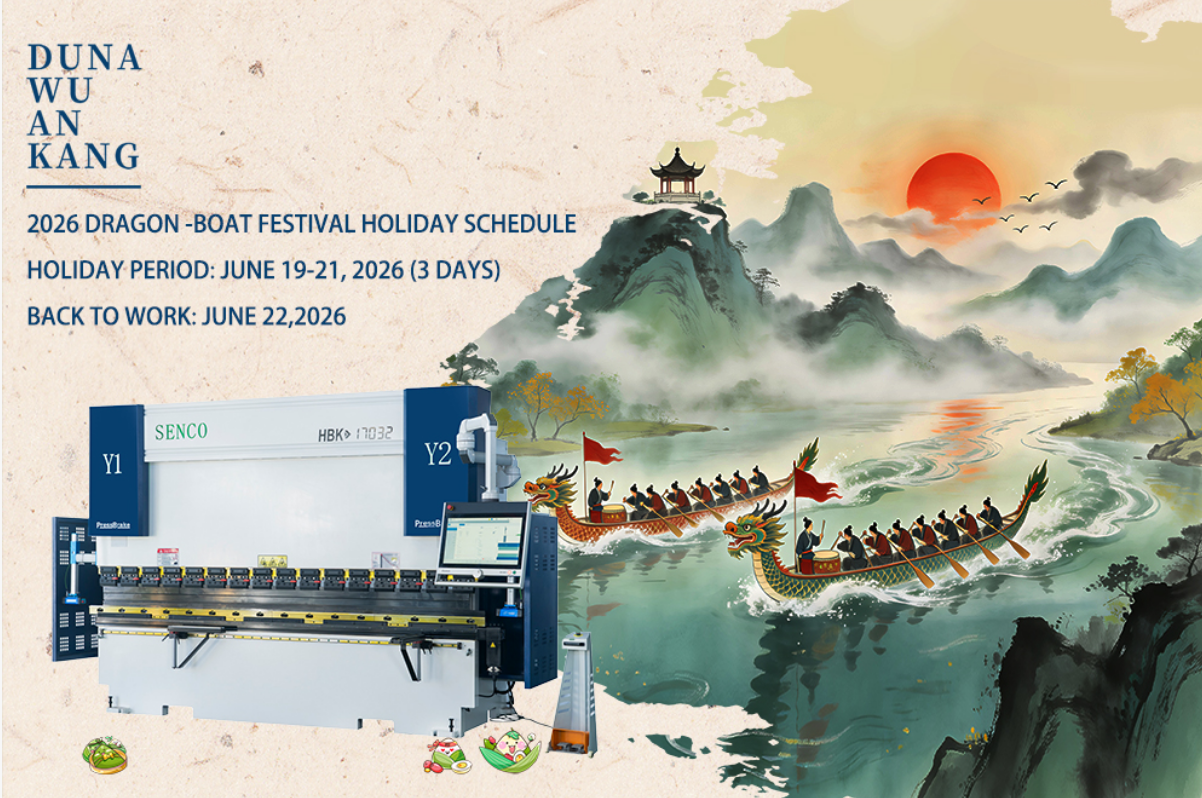
2026 Dragon ‑Boat Festival holiday Schedule
Read moreTo Our Valued Customers and Partners,
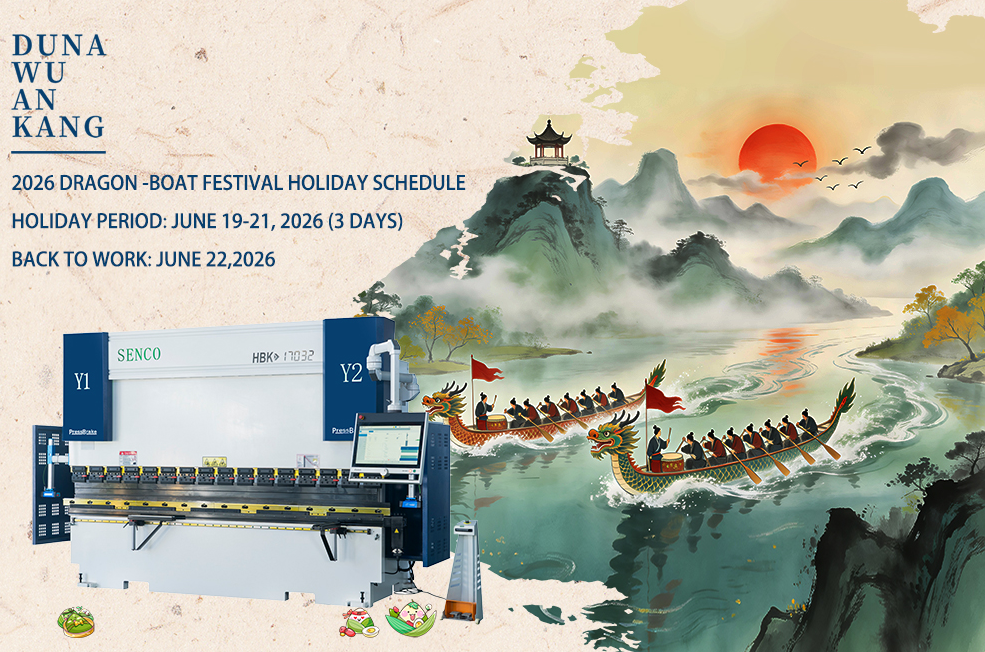
Please be informed that we will observe the Dragon‑Boat Festival holiday from June 19th to 21st. Normal business will resume on June 22nd.
Your emails and messages will be replied promptly upon our return. Sorry for any inconvenience caused.
2026 Dragon ‑Boat Festival holiday Schedule
Holiday Period: June 19—21, 2026 (3 days)
Back to Work: June 22,2026
(Please note: Factory production and shipping will pause during this period. We recommend arranging stock in advance.)
️ Service & Support
Our commitment to quality service never stops. During the holiday, if you have urgent inquiries regarding machine maintenance or sales, our team remains accessible to ensure your operations run smoothly.
Contact Us Anytime:
Website: www.sencomachine.com
Call Us: +86-18655552171
Email Us: sales@sencomachine.com
-
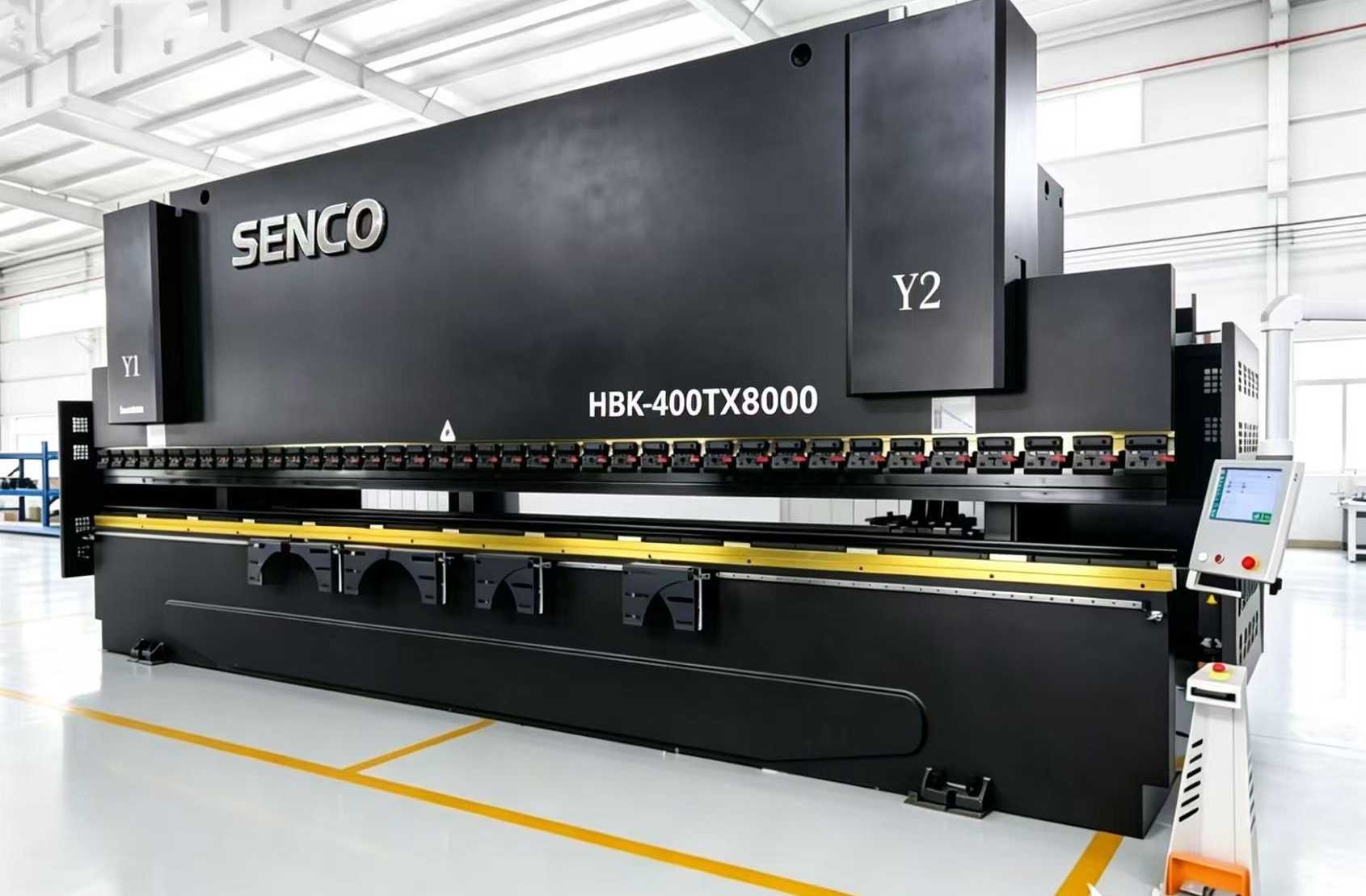
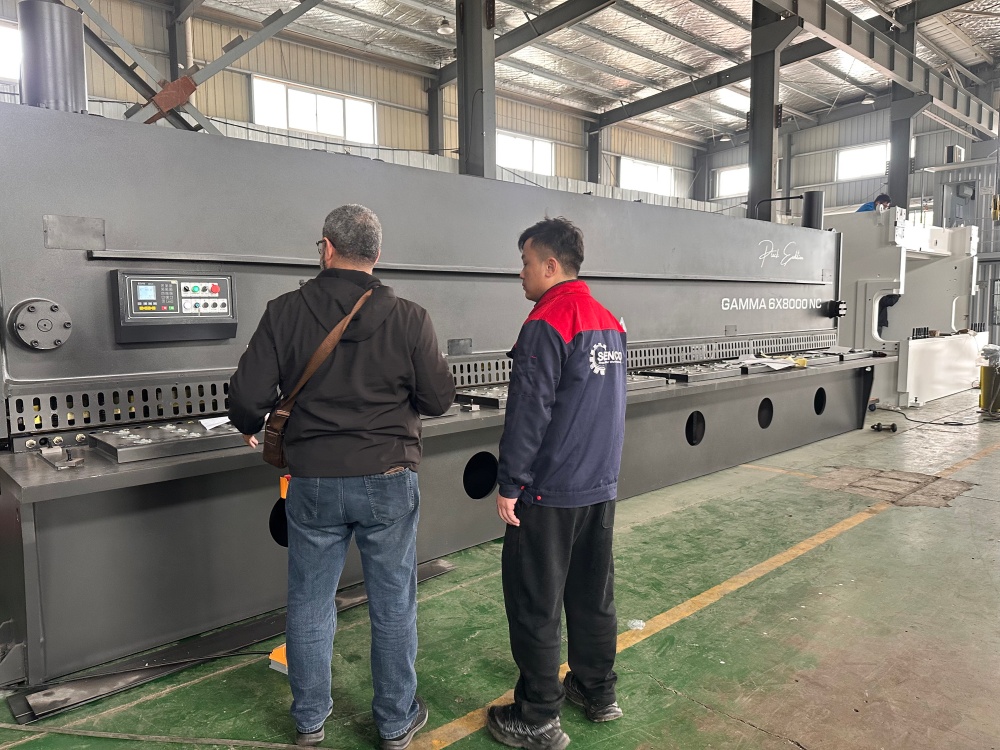
CNC Bending Machine 400TX8000 Pass Inspection
Read more -

Chinese New Year Holiday Announcement
Read moreTo Our Valued Customers and Partners,
SENCO will be on holiday break soon.
We sincerely appreciate your strong support and kind cooperation throughout the past year. It has been a pleasure working with you.
As we step into the Year of the Horse, we look forward to moving ahead with the speed of fiber laser cutting and the strength of our heavy-duty press brakes. To help you plan your production and procurement needs, please be aware of our holiday schedule.📅 2026 Chinese New Year Holiday Schedule
🔴 Holiday Period: Feb 14— Mar 3 , 2026
🟢 Back to Work: Mar 4,2026
(Please note: Factory production and shipping will pause during this period. We recommend arranging stock in advance.)
🛠️ Service & Support
Our commitment to quality service never stops. During the holiday, if you have urgent inquiries regarding machine maintenance or sales, our team remains accessible to ensure your operations run smoothly.
Contact Us Anytime:
- 🌐 Website: www.sencomachine.com
- 📞 Call Us: +86-18655552171
- 📧 Email Us: sales@sencomachine.com
-

-
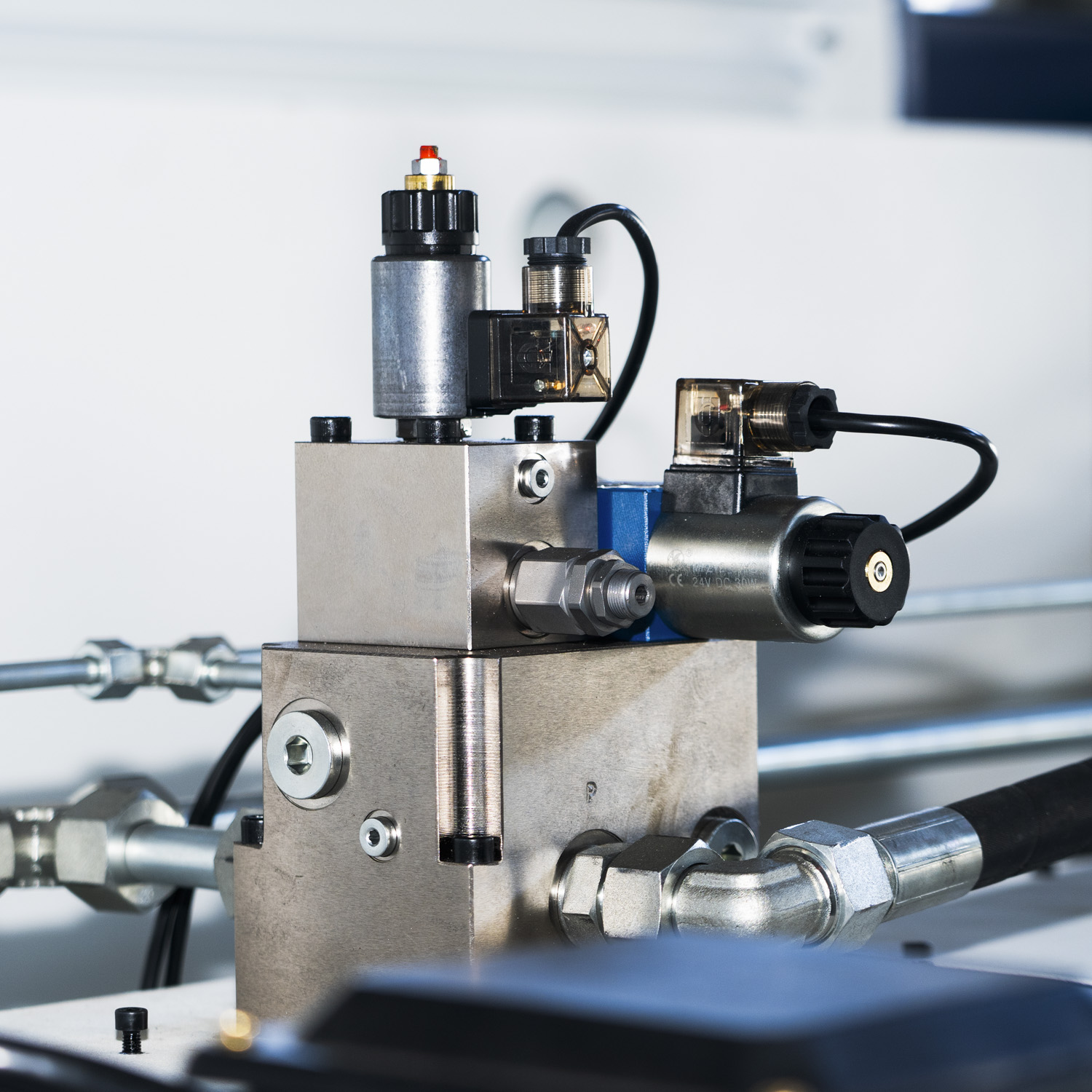
The four main features of the CNC bending machine
Read more -
How to Avoid Faults in CNC Bending Machines
Read more -
How to maintain a mechanical shearing machine
Read more -
How to inspect the quality of the cutting machine blade and how to adjust it
Read more -
What applications can a CNC bending machine be used for and what precautions should be taken?
Read more