


PRESS BRAKE EXPLAIN
PRESS BRAKE EXPLAIN
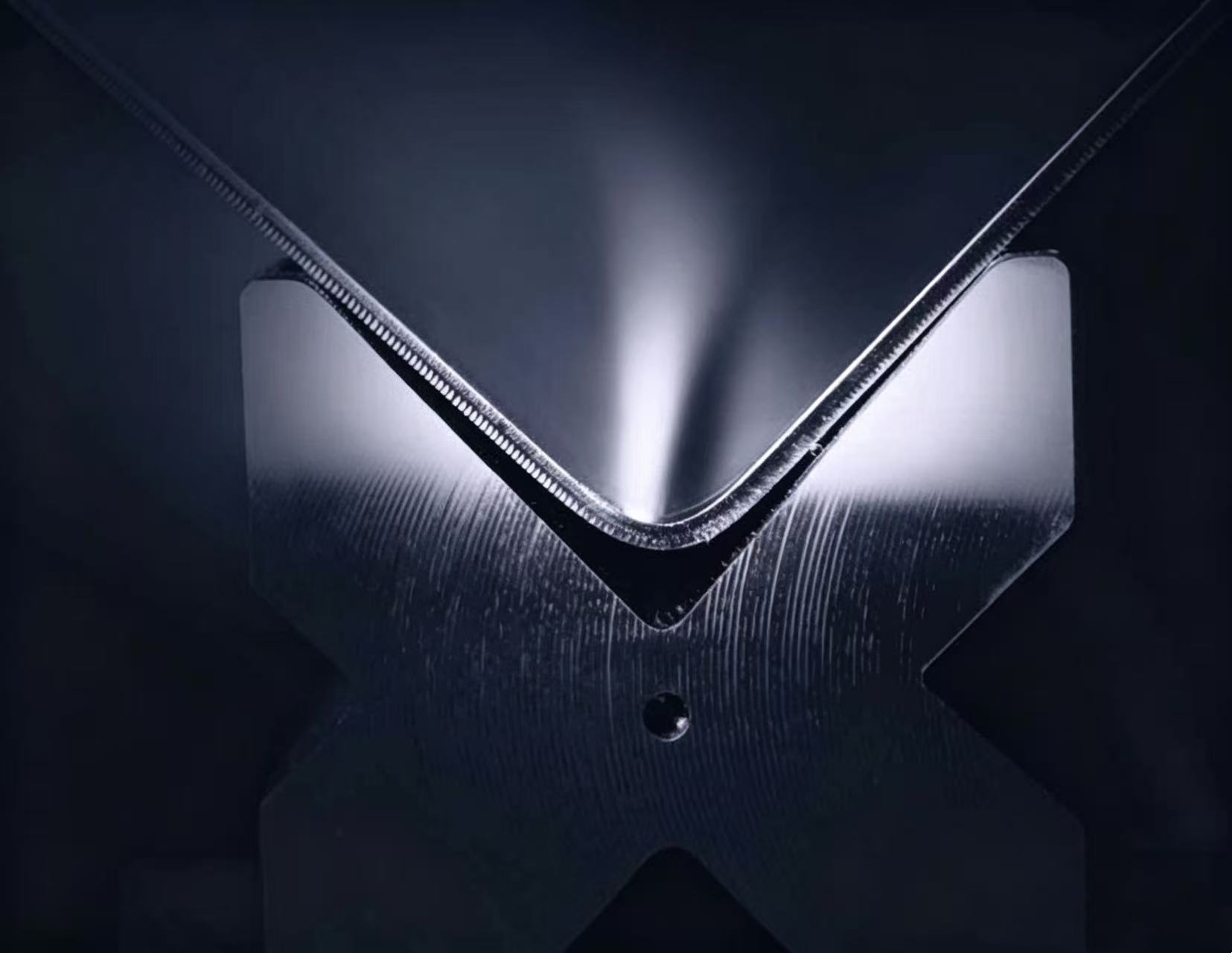
Press brakes are a vital machine tool for almost any fabrication shop. These machines can bend simple and complex components. They are essential for parts manufacturing in various industries, from automotive and aircraft to housing and cabinets. Successful use of a press brake requires a comprehensive understanding of how the machine works and your role in operating it.
What Is a Press Brake, and What Does It Do?
Compared to designs from decades ago, today’s modern press brakes are highly efficient machines with some of the industry’s most advanced technology. Press brakes use punches and dies with specific forms to bend different types of metal into various shapes. They function by pressing the punch into the pre-positioned workpiece on the die.
Using different punches and dies offers the versatility of creating various shapes, giving the manufacturer greater control and maximum fabrication efficiency.
The basic operating principle of a press brake relies on tons of force accurately controlled. Different jobs require press brakes with different tonnages and bending lengths depending on the application, along with the size and type of material to be bent.
Choosing the Best Press Brake for Your Application
The most important factors when investing in a press brake are the bending length and tonnage. Knowing your application and using proper planning will help you make the right decision.
- Tonnage: The press brake’s bending force — or tonnage — determines how much pressure can be applied by the punch during a bend. Higher tonnage allows for the bending of thicker and harder metals. Lower tonnage is most appropriate for thinner metals.
- Bending length: The bending length of a press brake is the maximum possible length of a metal sheet that can be bent. A smaller 4-foot bending length press brake won’t allow you to bend a 6-foot piece of sheet metal. The metal would be too long. You want to get a press brake with a bending length slightly larger than the length of the sheets you will be bending. Be mindful that there are 2 length factors with most press brakes, the overall bed length and the bed length between.
One of the most common types of press brakes is hydraulic. Hydraulic brakes can reduce job setup time and increase efficiency when paired with CNC controls. CNC hydraulic press brakes can come in various tonnages and sizes. The tonnage and bending length required when purchasing a press brake are determined by application and what thickness and size of the metal you are bending.
Other design types include mechanical and pneumatic press brakes, with the trigger mechanisms as the most noticeable difference.
Why Tonnage and Length Are Important
Tonnage and length are crucial because a press brake has a concentrated load limit in the center of the press calculated in tons per inch. Using the incorrect tonnage may damage the press ram, the die or the working part and, in the worst cases, even ruin the machine. Additionally, some tooling types have specific tonnage limits, including straight punches, particularly when paired with V-shaped dies.
Figuring out the press brake’s load limit can be done with some fairly basic math. You multiply the number of inches between the side columns by .6 and divide the result by the tonnage.
If you had 10.6 feet between the columns on a 350-ton press brake, for example. You would take the number of inches — 10.6 x 12 = 127.2 inches — and multiply that number by .6, which is 76.32. From there, divide that number by the tonnage — 350/76.32 = 4.58. In that case, the press brake’s load limit would be 4.58 tons per inch.
If you need to bend a 5-foot sheet on that press, you should use a press power of 275 because 60 inches x 4.58 tons per inch = 275.
This scenario changes for different types of machines and different types of metal. There are also other equations to use for determining press power.
These kinds of calculations are typically available in a chart on the machine or in the operations manual. However, a press brake operator should be aware of the material they are bending and calculate the proper press power. This will avoid using too little or too much force and prevent damage to the machine.
How SENCO Machine Tools Can Help
At SENCO Machine Tools, we have an extensive inventory of press brakes to cover all your bending needs. We sell press brakes ranging from 3 to 20 feet long with press power from 44 to 440 tons. SENCO’s HBK 1000/40 CNC hydraulic press brake, a 3-foot, 44-ton model, is perfect for smaller applications. Our 20-foot, 440-ton HBK 6100/400 CNC model works well for larger bending applications. Our press brake packages include an automatic backgauge and a DELEM CNC Controller.
- Previous: No more
- Next: Precautions for Using Bending Machine